

Celebrating
Nordic Music & Culture
Since 2005
What is the Edvard Grieg Society
We promote the music of Edvard Grieg and other Nordic composers. For example:
- present concerts of Norwegian and other Nordic music by local and visiting artists;
- sponsor juried competitions among young artists;
- present symposia, workshops and other educational activities; and,
- disseminate information about Nordic concerts regionally, nationally and internationally among organizations with similar purposes.
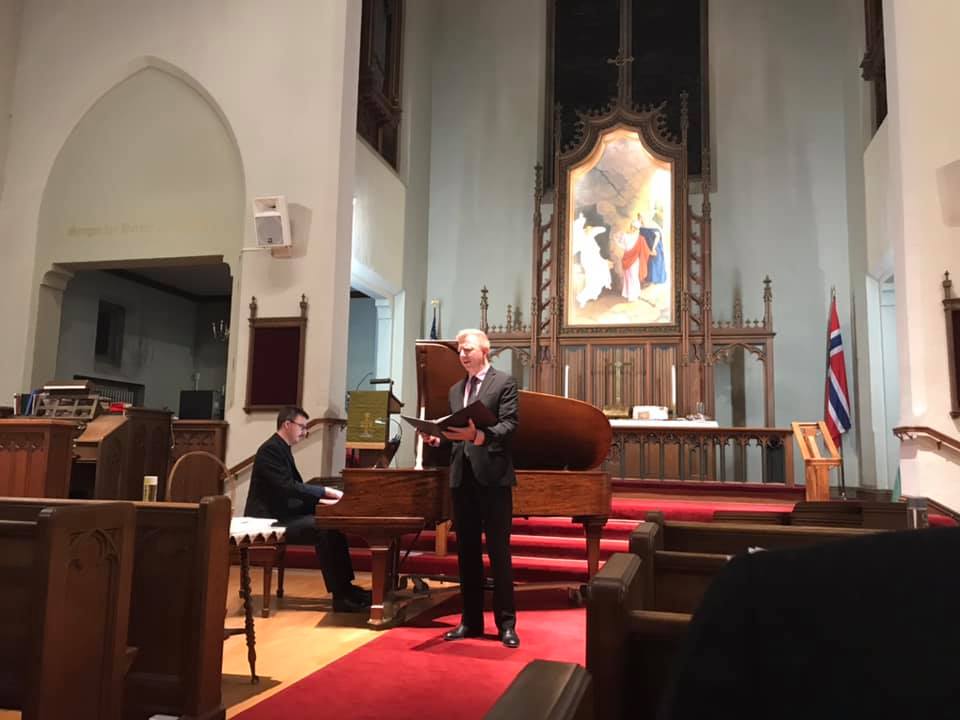
Live Performances
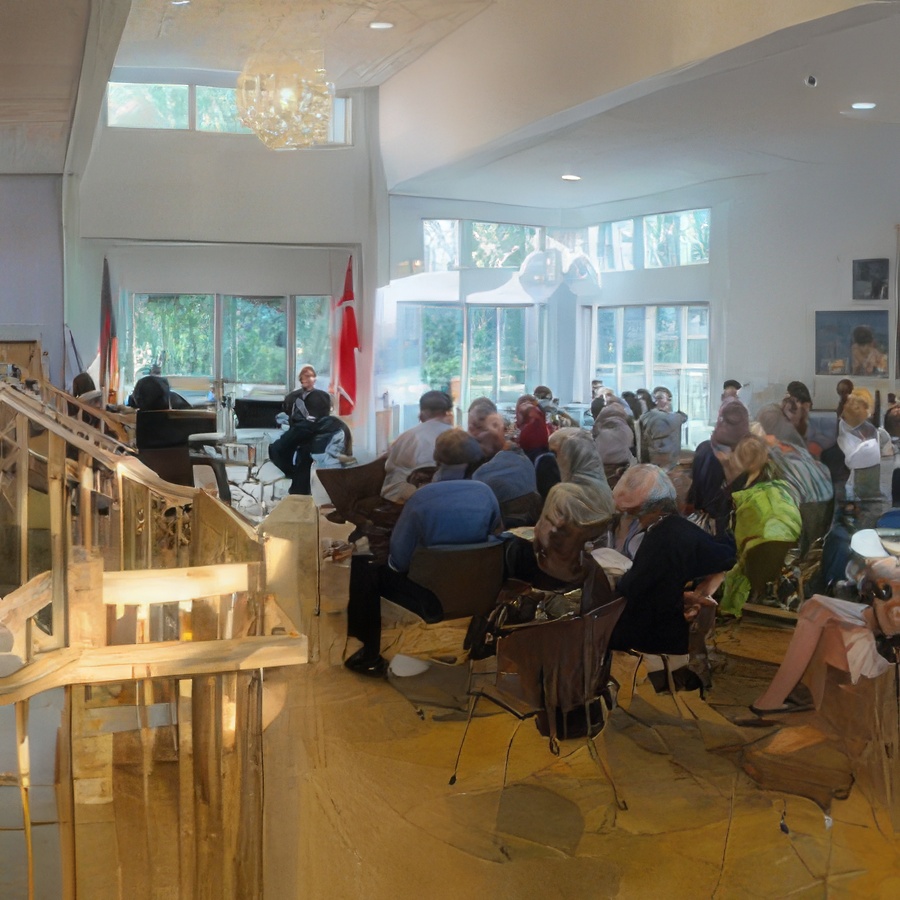
Engaging Lectures
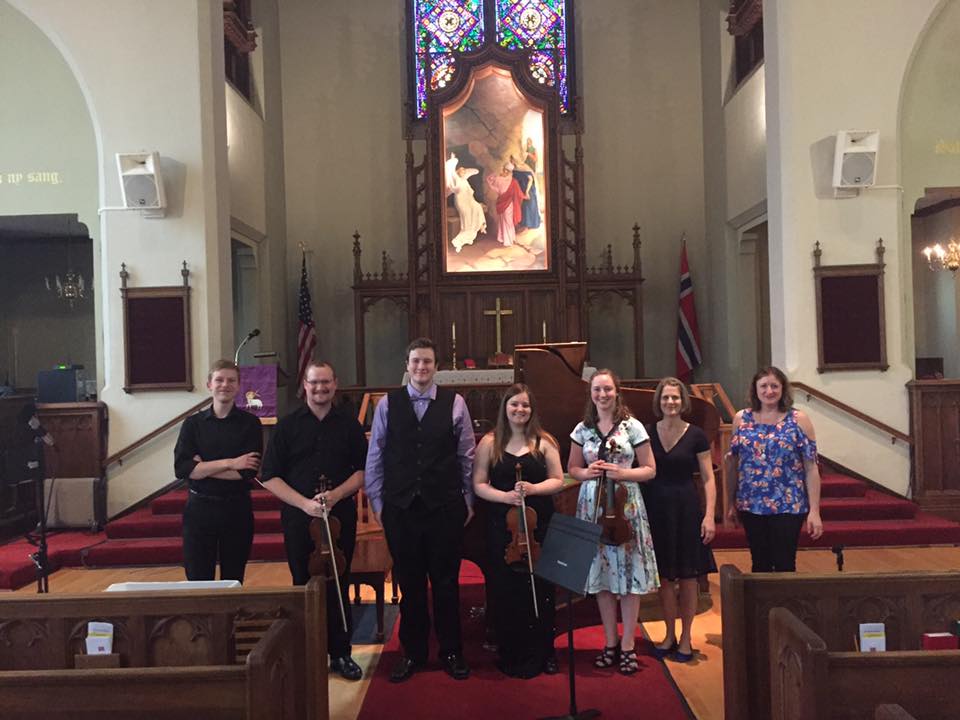
Exciting Competitions
View Our Upcoming Season
Events
List of events in Photo View
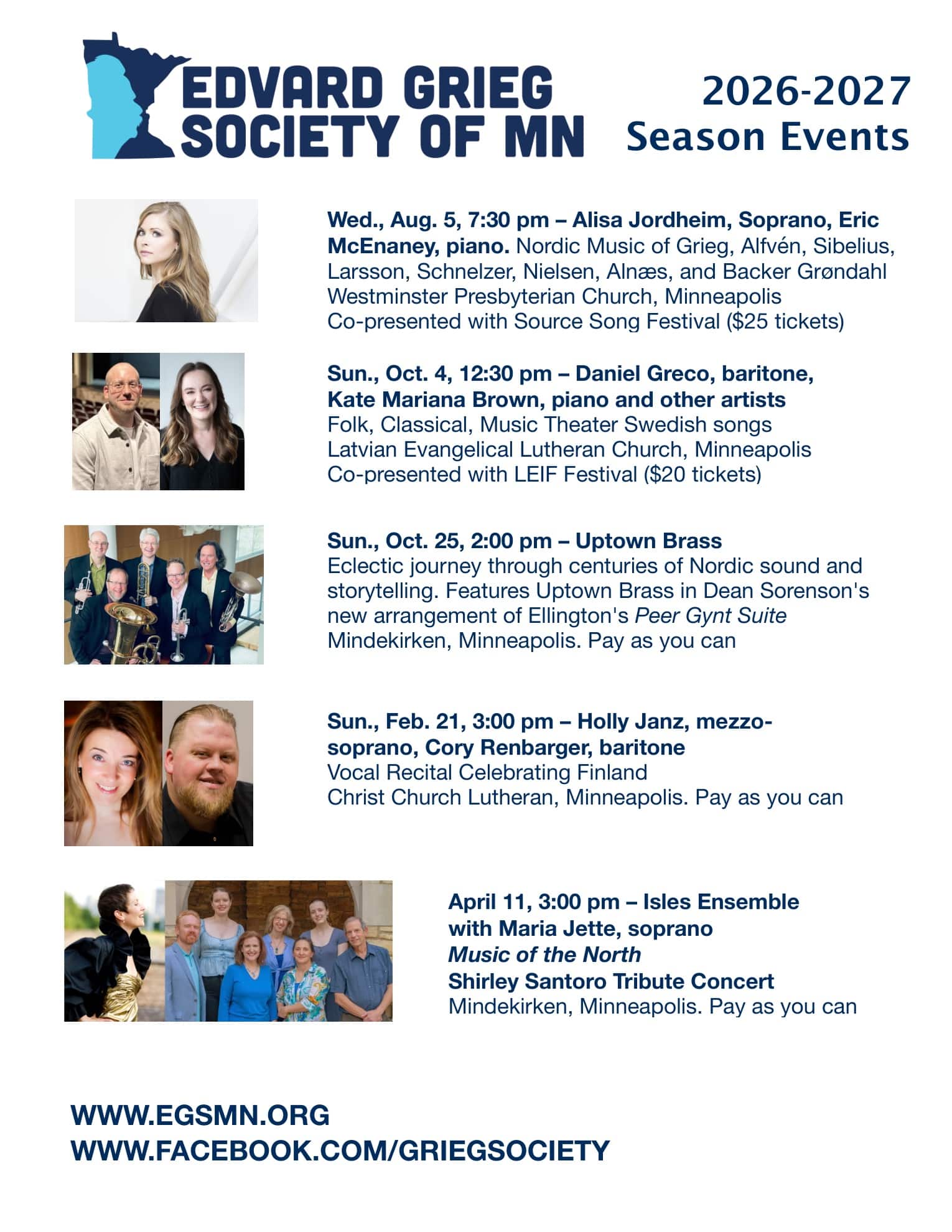
and from our friends at LEIF Erickson Intl
for more information and tickets, visit www.leifmn.org
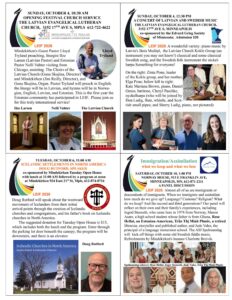
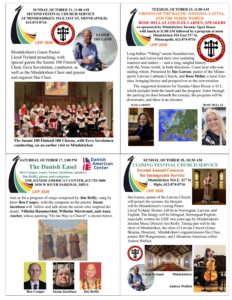
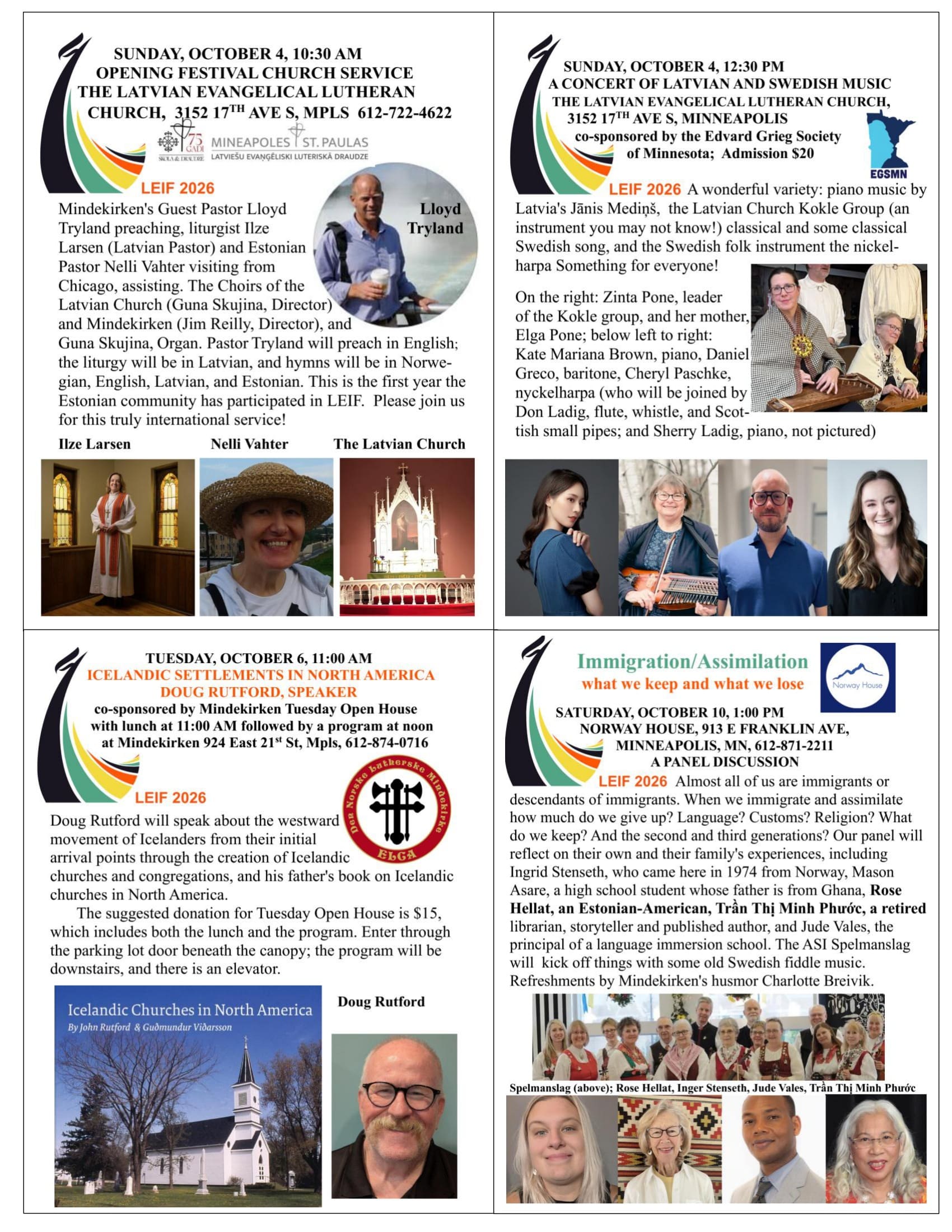
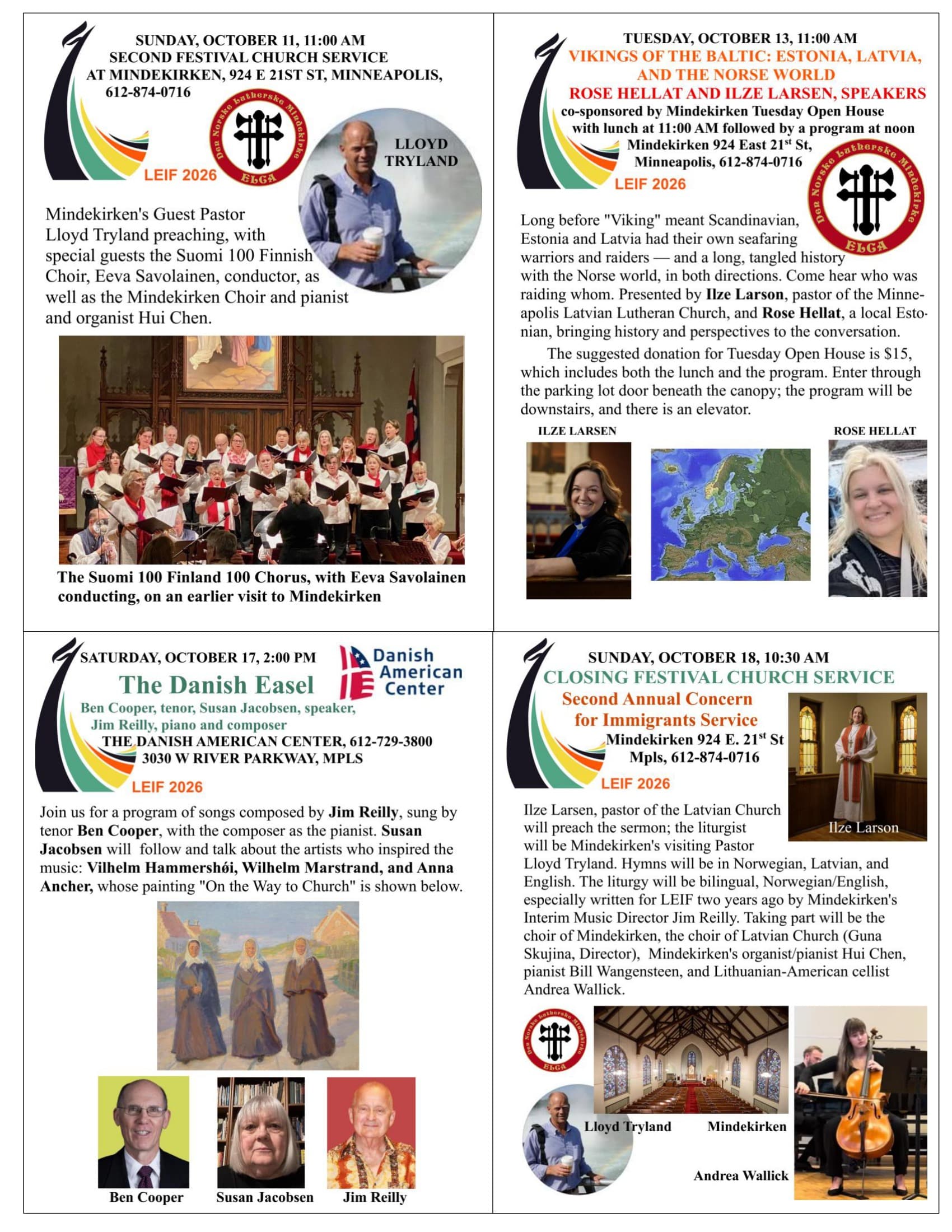

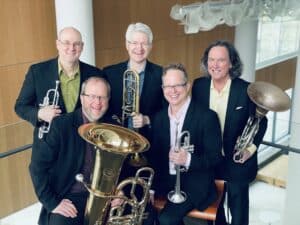
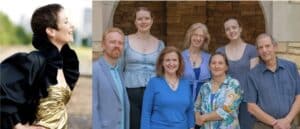
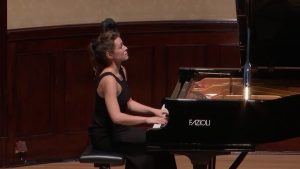
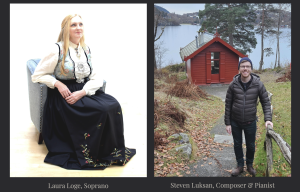
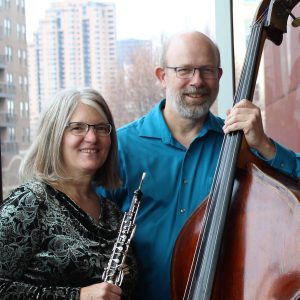
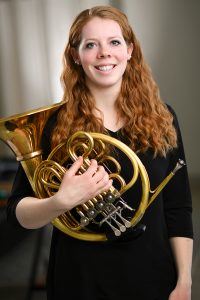
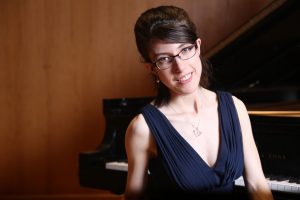
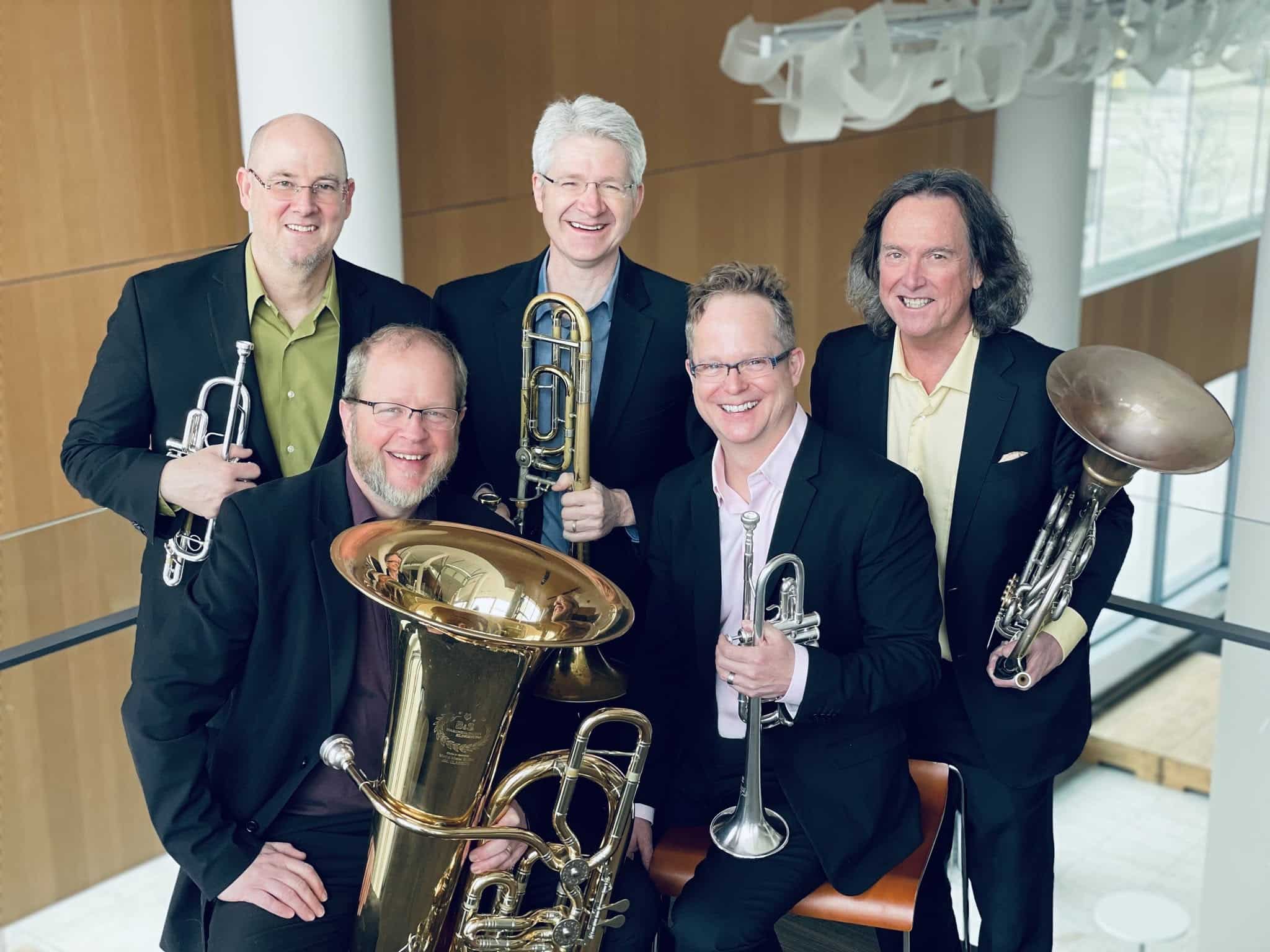
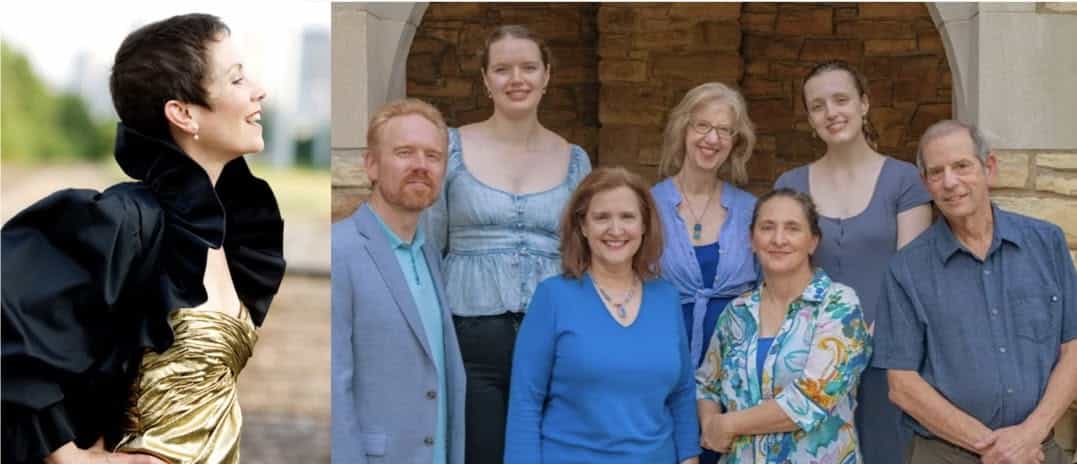
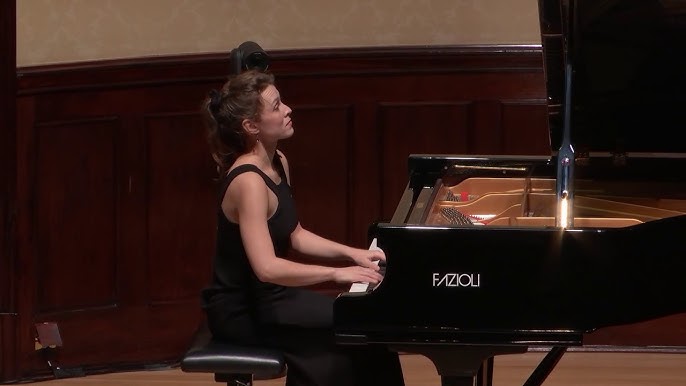
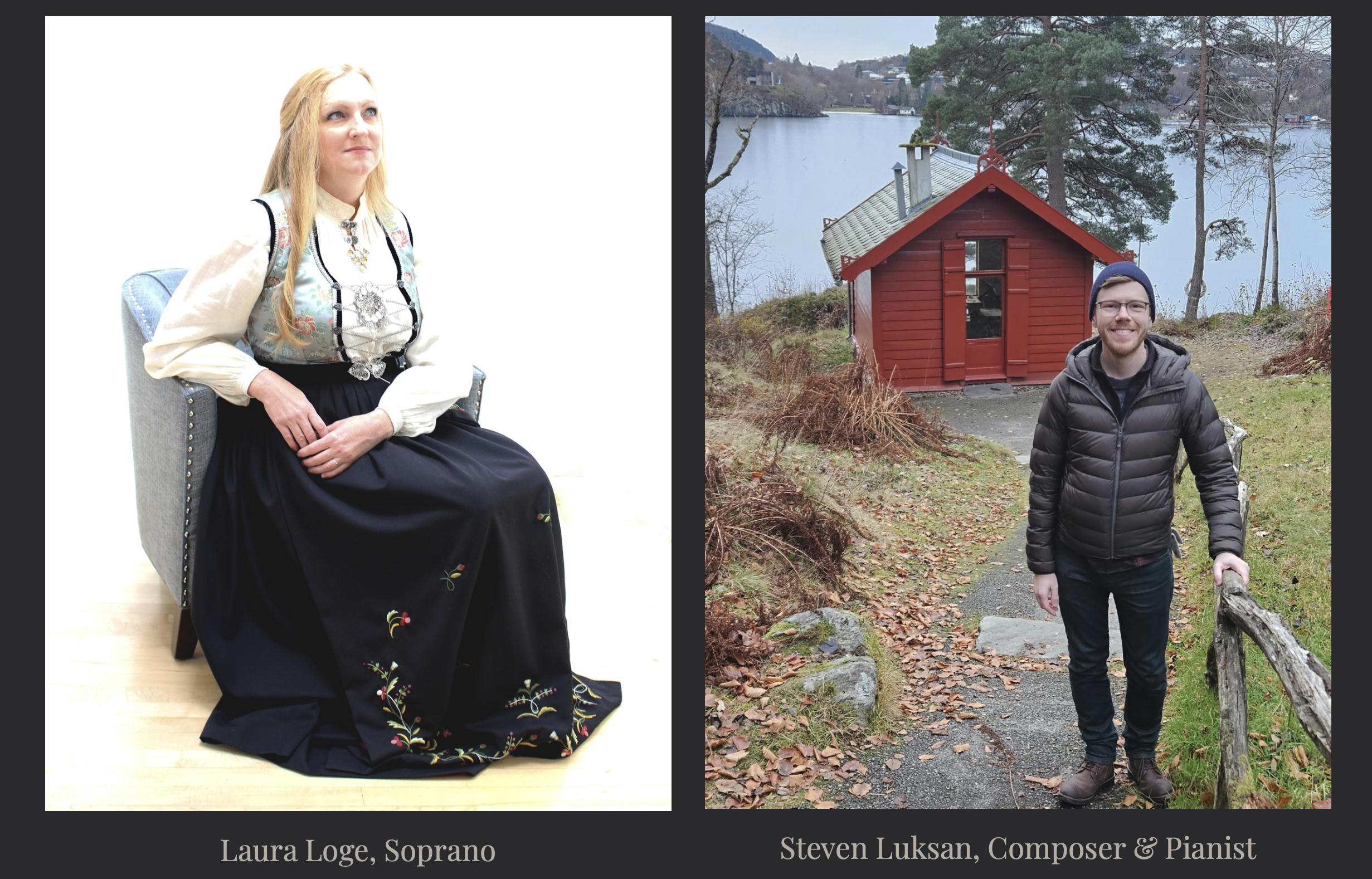
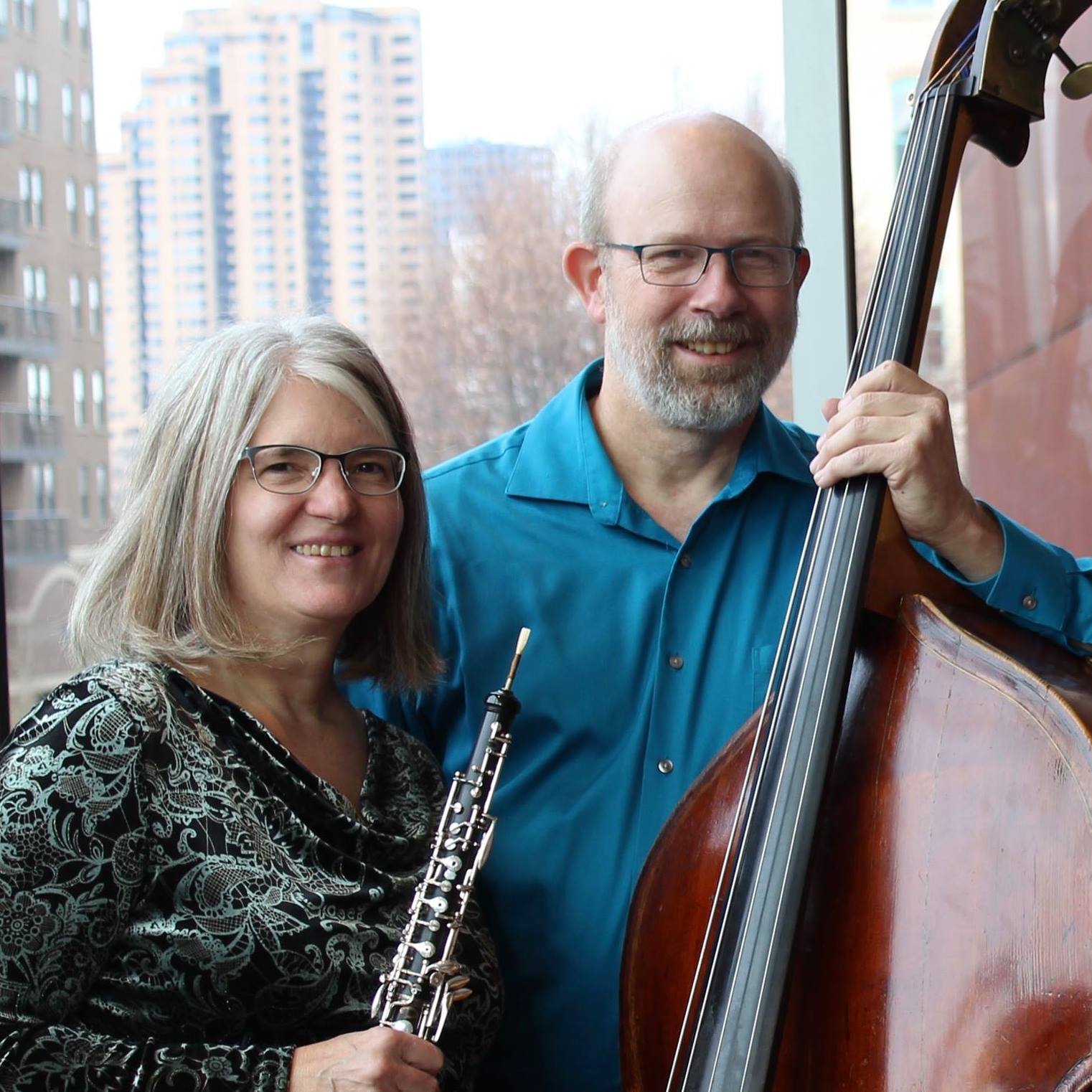
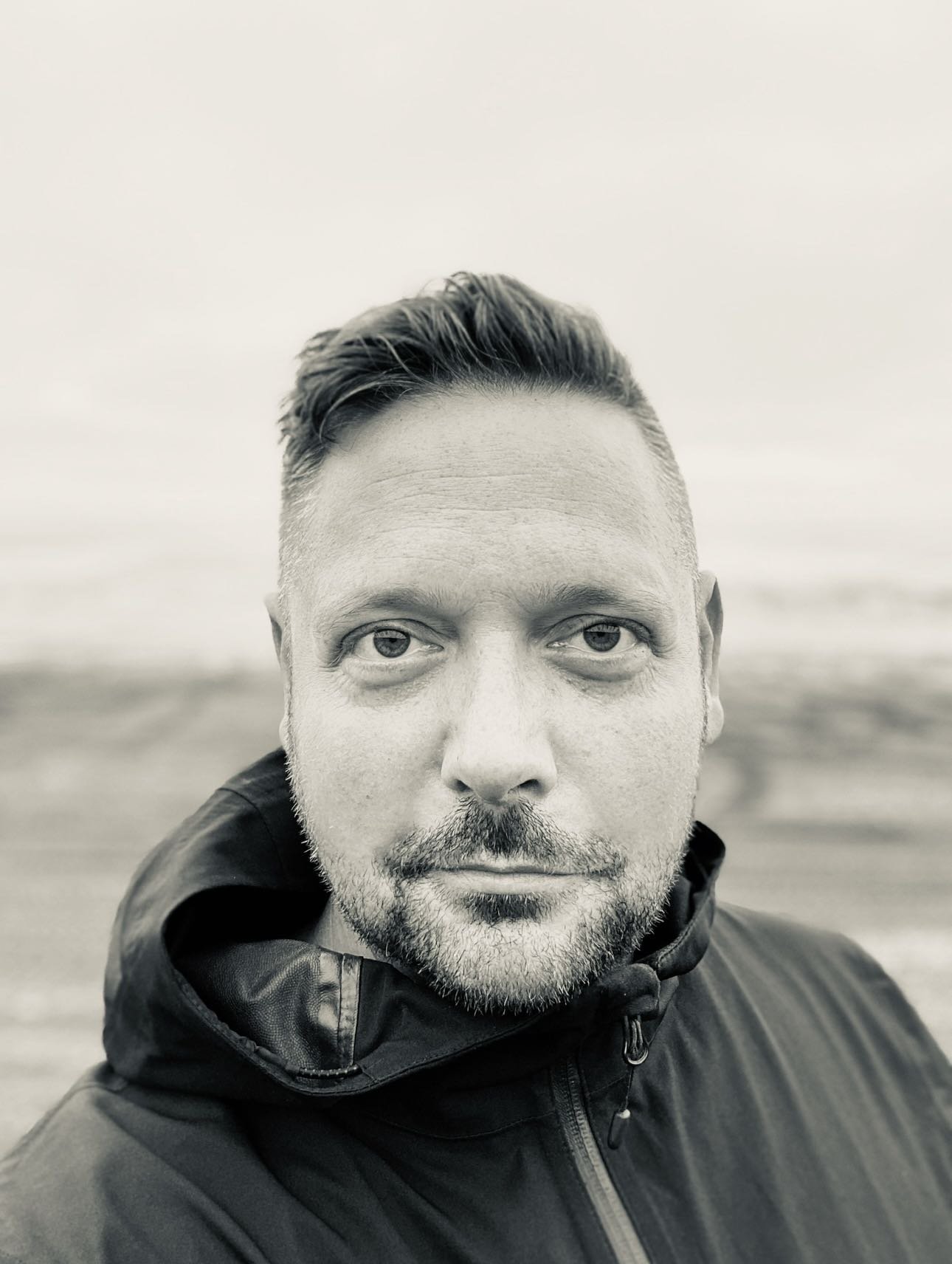
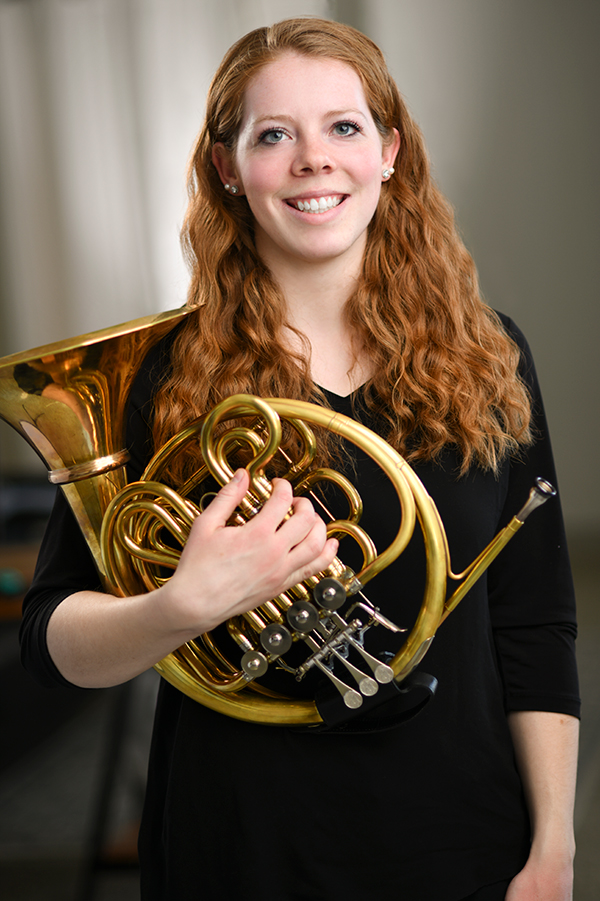
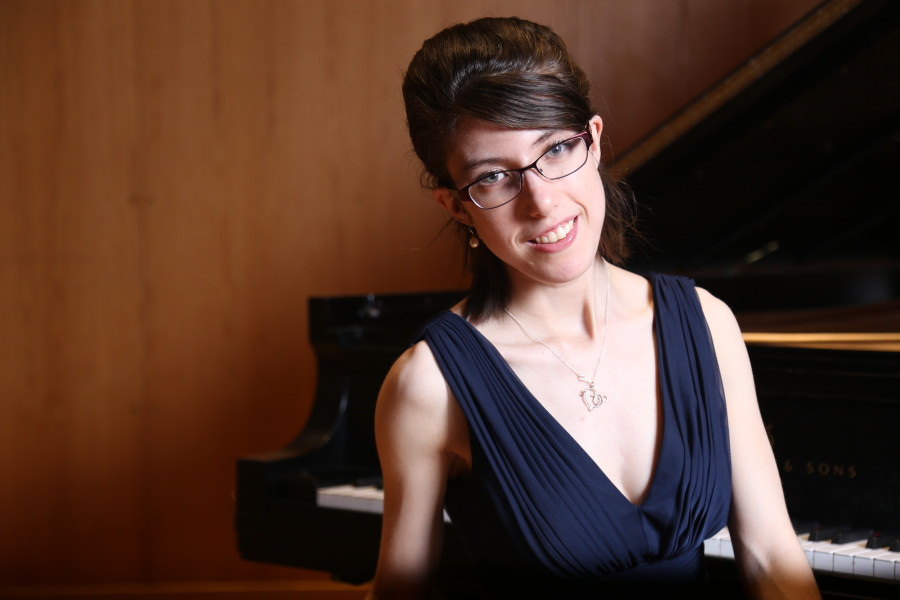
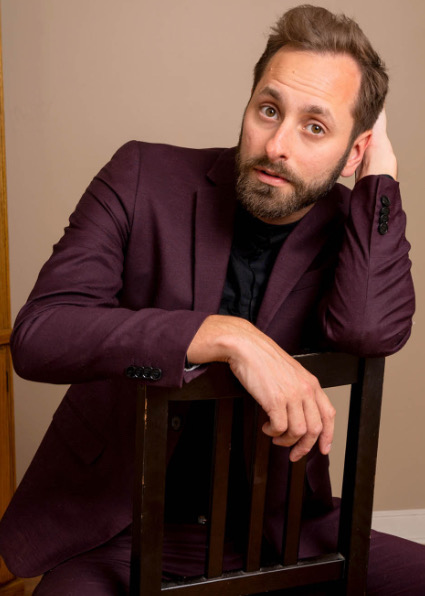
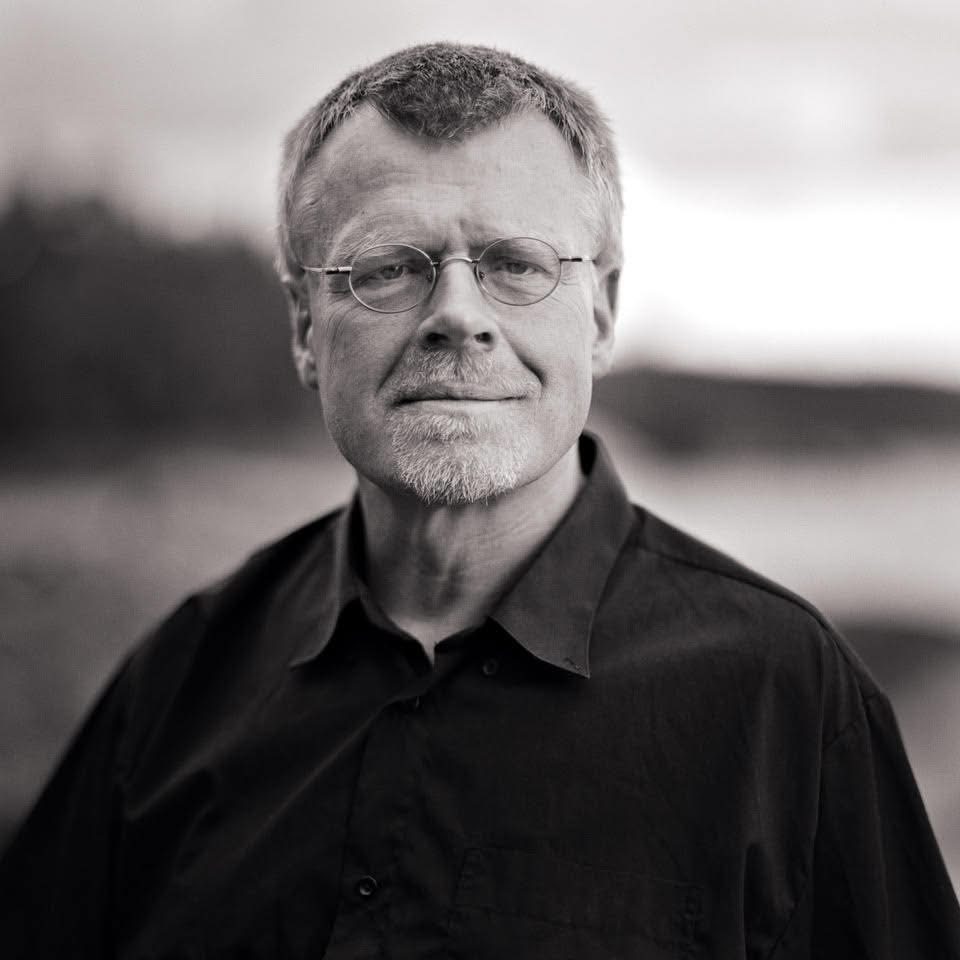
A Few of Our Featured Musicians















The cost of membership is just $50 for individuals or $75 for households. Membership fees are applied to costs associated with presenting concerts, competitions, symposia and other events consistent with our mission. Your membership fee will help to make it possible for us to offer “pay as you can” admission to everyone for all performances.
As a member, you will have a voice in the governance of the Edvard Grieg Society. You will be invited to attend the annual meeting of the Society, where we will hear reports on the activities of the Society during the current year, approve plans for the forthcoming year, and nominate board members. Members are also encouraged to perform volunteer services to the Society consistent with their abilities and time constraints, to invite friends to attend events sponsored by the Society, and to make voluntary contributions to the Society consistent with their interest, ability, and other charitable commitments.
Not ready for membership? Your donations will help fund our activities as well. Thank you for your support!
Socialize with Us…
🎊Tune of the Week #4!🎊
“Eine Kleine Jagdmusik,” composed by Trygve Madsen.
DISCLAIMER: Under Section 107 of the Copyright Act of 1976: Allowance is made for “fair use” for purposes such as criticism, comment, news reporting, teaching, scholarship, education, and research. All rights reserved by copyright holders.
Madsen is a Norwegian composer and pianist. His works range from solo pieces, chamber works, concertos, to the opera! He began playing piano at six years old and began writing piano pieces at age seven. His debut concert was in Fredrikstad in 1956, with his debut as a pianist followed in 1958.
Alongside composing, Madsen served as a senior composition lecturer at the University of Oslo from 1995 to 2006. He would often encourage his students to develop their own musical language, though not without ensuring they had plenty to challenge them on their musical journeys. Many of his students said that he brought, “a dash of colour to the teaching staff,” and that they felt like he noticed each of them due to his remarkable ability to memorize names.
Madsen’s effervescently playful works can be found on Spotify, Apple Music, Soundcloud, and YouTube.
Be sure to tune in for next week by following our page!
(Sources: trygvemadsen.no)
#tuneoftheweek #edvardgriegsociety #trygvemadsen #einekleinejagdmusik #norwegianmusichistory … See MoreSee Less
0 CommentsComment on Facebook
Today's the day! See you at Mindekirken – The Norwegian Lutheran Memorial Church at 3:00 to see Uptown Brass performing an unforgettable concert! … See MoreSee Less
Edvard Grieg Society of Minnesota
www.facebook.com
1 CommentsComment on Facebook
🎉Tune of the Week #3!🎉
“Anitra’s Dance,” by Duke Ellington.
DISCLAIMER: Under Section 107 of the Copyright Act of 1976: Allowance is made for “fair use” for purposes such as criticism, comment, news reporting, teaching, scholarship, education, and research. All rights reserved by copyright holders.
Duke Ellington loved music. Period. He also felt that Jazz music should be elevated in popular understanding to stand on a par with the standard classical repertoire in terms of respectability. To that end he collaborated with his arranger Billy Strayhorn to create jazz suites of popular classical music including Tchaikovsky's Nutcracker and Grieg's Peer Gynt Suites. To tie himself closer to Grieg and the classical tradition, Ellington used his given name Edward and Americanized Grieg's "Edvard" to "Edward" in the album title, "Swinging Suites by Edward E. & Edward G."
One initial reception to Ellington's jazzification of Peer Gynt was rather frosty. In the 1960s, the Royal Swedish Academy of Music made a statement, referring to a Swedish law paragraph called Klassikerskyddet (Protection of Classics) that Duke Ellington's jazz versions on the album were "offending to the nordic music culture." Ellington withdrew the album and the case was never tried in court.
The recording was subsequently re-released in 1990 as Three Suites, featuring his Nutcracker Suite, Peer Gynt Suite (using favorites from Grieg's Peer Gynt Suites I & II: Morning Mood, In the Hall of the Mountain King, Solveig's Song, Åse's Death, Anitra's Dance), and Suite Thursday, his original work, composed with Billy Strayhorn, based on John Steinbeck's Novel, Sweet Thursday.
It took a while, but Ellington's efforts gradually gained the respect they deserved. In 1992 a New York Times review of a live performance of Ellington's Peer Gynt adaptation gave Ellington's arrangements a much more favorable reception: "The pieces, with their dense and gorgeous harmonies, lend themselves perfectly to live performance. . . . the melody kept peeking around creamy harmonies, hurtling up-tempo sections abruptly merged with ballads."
“Anitra’s Song,” and more will be played at the Uptown Brass concert for the EGSMN! Check out our events page for more details and give us a follow to stay up to date!
#edvardgriegsociety #tuneoftheweek #dukeellington #anitrassong #norwegianmusichistory … See MoreSee Less
0 CommentsComment on Facebook
The EGSMN presents Uptown Brass Sun., Oct. 25 at 3:00 pm at Mindekirken – The Norwegian Lutheran Memorial Church.
These musicians from the MN Orchestra present a concert of Nordic inspirations from the times of the Vikings to the present including their new arrangement of Duke Ellington's "Peer Gynt Suite" commissioned by the EGSMN.
This continues our celebration of the 150th anniversary of the premiere of Ibsen's "Peer Gynt" and Edvard Grieg's unforgettable incidental music to the play on Feb. 24, 1876.
Savor the splendid virtuosity of Uptown Brass and Duke Ellington's sumptuous jazz version of "Peer Gynt." Pay as you will general admission at the door. Mindekirken, 924 E 21st St, Minneapolis
For more info, visit egsmn.org or our fb event page: www.facebook.com/share/1NUSxqtV3q/ … See MoreSee Less
Visit Profile
Edvard Grieg Society of Minnesota
www.facebook.com
0 CommentsComment on Facebook
🚨Tune of the Week #2!🚨
“Verlaine Suite,” by Pauline Hall.
DISCLAIMER: Under Section 107 of the Copyright Act of 1976: Allowance is made for “fair use” for purposes such as criticism, comment, news reporting, teaching, scholarship, education, and research. All rights reserved by copyright holders.
Norwegian writer, music critic, social activist, and composer Pauline Hall’s 1929 impressionistic orchestral work, “Verlaine Suite,” is a French-influenced composition inspired by European tonal languages and aesthetic ideals. Hall’s appreciation for French impressionism and literature stood in contrast to national romanticism existing in Norway at the time. Yet it didn’t stop her work from being perceived with enthusiasm when it premiered in January of 1929.
Hall eventually won acclaim as a composer of stage music, as Oslo theatre directors regularly commissioned her from the 1930s and onwards. Though little of Hall’s music is published or accessible in physical formats. Thankfully, much of her work can be found online and her legacy is of being a turning point in Norwegian music history.
Sources: (Hochschule für Musik und Theater Hamburg, Women’s Philharmonic Advocacy)
You can find Hall's compositions on Spotify, Youtube, Apple Music, Audiomack, and Wopil Archive.
#edvardgriegsociety #songoftheweek #paulinehall #verlainesuite #norwegianmusichistory … See MoreSee Less
0 CommentsComment on Facebook
Thrilled to present Uptown Brass for our next concert, Sun., Oct. 25 at 3:00 pm at Mindekirken – The Norwegian Lutheran Memorial Church.
These musicians from the Minnesota Orchestra present a concert of Nordic inspirations from the times of the Vikings to the present. A special feature is premiere of Dean Sorenson's new arrangement of Duke Ellington's "Peer Gynt Suite" for Uptown Brass, commissioned by the Edvard Grieg Soc. of MN for this concert!
This continues our celebration of the 150th anniversary of the premiere of both Ibsen's "Peer Gynt" and Edvard Grieg's unforgettable incidental music to the play on Feb. 24, 1876. We celebrated that event on Feb. 24, 2026 with a Readers Theater production of the play arranged by Sonja Thompson at MetroNOME Brewery.
Come to Mindekirken Oct. 25 to savor the splendid virtuosity of Uptown Brass and Duke Ellington's sumptuous jazz version of "Peer Gynt." … See MoreSee Less
0 CommentsComment on Facebook
🚨NEW SERIES: The EGSMN Tune of the Week!🚨
The tune of the week for this week is: “In the Hall of the Mountain King,” by Edvard Grieg (1843-1907)!
(Sadly Grieg’s original version isn’t available as an audio on Facebook, so a cover is used on this post.)
DISCLAIMER: Under Section 107 of the Copyright Act of 1976: Allowance is made for “fair use” for purposes such as criticism, comment, news reporting, teaching, scholarship, education, and research. All rights reserved by copyright holders.
Grieg composed incidental music for Henrik Ibsen’s play “Peer Gynt.” His piece is heard in the play’s sixth scene of its second act when the title character dreams that he landed in a mountain kingdom of trolls. Grieg found that the movement had an exaggerated Norwegian-ness quality, particularly with the trollish self-sufficiency and, as he described it, reeking of “cow dung.” Despite his feelings, he recognized its popularity and reorganized this movement, alongside the other popular movements, into two orchestral suites.
The composition features string and woodwind instruments depicting the assembled crowd of trolls in the scene, hence the deliberately crude and nigh grotesque nature of the sound. The percussion gradually builds tension to heighten the feeling of chaos and the threat of the trolls as the scene continues.
In popular culture, this piece is widely used as a way to create a sense of chaos and menace. It can be heard in films such as the 1931 film “M,” where the killer whistles the theme to signal his presence, alongside various content creators utilizing the theme as a backdrop to the main subject(s) in their videos/posts.
You can find Grieg's compositions on Spotify, Youtube, Apple Music, Amazon Music, and other online archives like Classicals.de.
Sources: (Chicago Symphony, The Violin Channel)
Follow for next week!
#edvardgriegsociety #songoftheweek #edvardgrieg #inthehallofthemountainking #musishistory … See MoreSee Less
0 CommentsComment on Facebook
Hope to see you at this concert at the Latvian Evangelical Lutheran Church this Sunday, Oct. 4 at 12:30!
It's one of the major events launching this year's LEIF Minnesota festival. We're happy to collaborate with them in sponsoring this concert.The EGSMN & LEIF Minnesota present a concert of Latvian & Swedish Folk, Classical, and Music theater music Sun. Oct. 4, 12:30 pm, at Latvian Ev. Luth. Church, 3152 17th Ave S., Mpls.
Hui Chen, piano; Zinta Pone’s Latvian Kokle Group; Daniel Greco, baritone, and Kate Mariana Brown, piano; Rödklöver – Cheryl Paschke, nyckelharpa, Don Ladig, pipes, and Sherry Ladig, piano.
$20 Tickets available at the door.
See our FB Events Page for more details and to let us know if you’re interested or coming! www.facebook.com/share/1DeNfy2Lij/
This program is part of the festivities kicking off the 2026 Leif Eriksson International Festival, with events from Oct. 4-18. … See MoreSee Less
0 CommentsComment on Facebook
The EGSMN & LEIF Minnesota present a concert of Latvian & Swedish Folk, Classical, and Music theater music Sun. Oct. 4, 12:30 pm, at Latvian Ev. Luth. Church, 3152 17th Ave S., Mpls.
Hui Chen, piano; Zinta Pone's Latvian Kokle Group; Daniel Greco, baritone, and Kate Mariana Brown, piano; Rödklöver – Cheryl Paschke, nyckelharpa, Don Ladig, pipes, and Sherry Ladig, piano.
$20 Tickets available at the door.
See our FB Events Page for more details and to let us know if you're interested or coming! www.facebook.com/share/1DeNfy2Lij/
This program is part of the festivities kicking off the 2026 Leif Eriksson International Festival, with events from Oct. 4-18. … See MoreSee Less
1 CommentsComment on Facebook